There is nothing quite like the feeling of sliding into the driver’s seat of a brand-new vehicle. The flawless, mirror-like paint catches the light perfectly, the engine purrs with effortless efficiency, the steering feels incredibly tight, and that unmistakable new-car smell fills the cabin. Unfortunately, daily driving quickly erodes this perfection. Potholes, UV rays, road salt, spilled coffee, and simple mechanical wear conspire to make your prized possession feel like a tired, depreciating appliance.
However, you do not need to sign papers on a costly new vehicle finance plan to experience that showroom magic again. With a systematic approach that addresses both cosmetic deterioration and mechanical decline, you can completely restore your current vehicle. This comprehensive guide will take you through a deep dive into the exact steps, techniques, and professional secrets required to bring the aesthetic beauty and precision performance of your car back to factory standards.
This transformation goes far beyond mere vanity. When you restore the crisp responsiveness of the mechanical components and erase the physical signs of aging from the bodywork, you effectively reset the vehicle’s lifespan. Taking the time to execute these upgrades allows you to bypass the steepest curve of depreciation that hits new car buyers, giving you a vehicle that performs reliably and looks spectacular for a fraction of the cost of a monthly lease payment.
Restoring the Showroom Shine
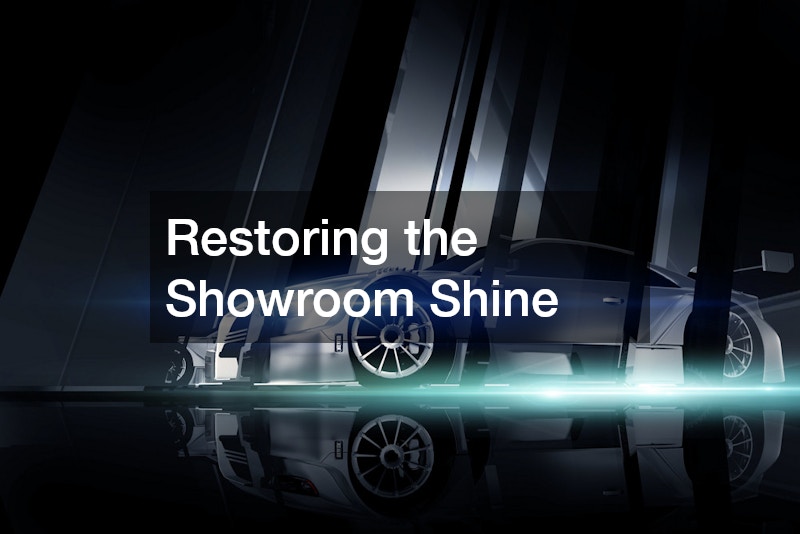
The exterior of your vehicle takes the brunt of environmental abuse. Restoring it requires moving past casual surface washing and diving into deep paint decontamination and correction.
The Three-Bucket Method for a Flawless Clean
Most swirl marks—those spiderweb-like micro-scratches visible in direct sunlight—are actually caused by improper washing techniques that grind dirt back into the clear coat. To prevent this, abandon the old single-bucket method and adopt a professional detailing routine.
-
The Setup: Use three distinct buckets equipped with grit guards. One bucket is strictly for your clean, soapy water solution; the second is filled with clean rinse water to clear your wash mitt of debris; the third is reserved exclusively for wheels and tires, which carry the most abrasive grit.
-
The Pre-Wash: Always spray the vehicle down thoroughly to remove loose dirt before touching the paint. Applying a thick layer of snow foam via a foam cannon helps encapsulate and lift abrasive particles away from the surface.
-
The Contact Wash: Work from the top of the vehicle down using a high-quality microfiber wash mitt. Dunk the mitt into the soapy water, glide it across a panel in straight lines, rinse it thoroughly in the rinse bucket, and repeat.
Committing to a meticulous car wash routine ensures you strip away corrosive road film without inflicting new damage. After washing, use a dedicated iron remover spray to chemically dissolve embedded brake dust, followed by a gentle clay bar treatment to lift away any remaining bonded contaminants, leaving the paint feeling as smooth as glass.
Erasing Years of Bumps and Dings
A flawless paint finish means very little if the body contours are interrupted by unsightly parking lot dents or hail damage. Traditional bodywork often involves grinding down paint, applying body filler, and repainting the entire panel, which can be expensive and risk color-matching issues.
-
The Non-Invasive Approach: For minor dents where the paint is still intact, Paintless Dent Repair (PDR) is the preferred gold standard. Specialized technicians use custom metal rods and light boards to meticulously massage the metal back into its original shape from behind the panel.
-
When to Call Professionals: While DIY dent pullers exist, they often cause the metal to stretch or the paint to crack. Utilizing professional car dent repair services ensures the structural integrity of the panel remains uncompromised and preserves your original factory paint depth.
Locking in the Gloss and Defending the Paint
Once the paint is completely clean, smooth, and free of major dents, you need to protect it. While traditional carnauba waxes offer a beautiful warm glow, they break down within a matter of weeks under harsh UV rays and heat.
Modern chemistry offers far superior solutions. Applying a nano-crystalline liquid coating creates a semi-permanent bond with your vehicle’s clear coat. This ultra-hard layer fills microscopic imperfections in the paint, creating an incredibly slick, hydrophobic surface that repels water, dirt, and industrial fallout. Opting for professional ceramic coating services gives your car a deep, candy-like gloss that lasts for years, making future maintenance washes incredibly easy.
Elevating the Cabin Experience

You spend all your driving time inside the vehicle, meaning the condition of the interior directly dictates how new the car feels to you. Restoring a cabin requires deep cleaning and refreshing the primary touchpoints.
Deep Cleaning and Odor Elimination
The secret to a pristine cabin is the systematic removal of deeply embedded organic matter, oils, and dust that accumulate in hard-to-reach crevices.
-
The Extraction Process: Vacuuming only removes loose surface dirt. To lift years of spilled drinks and ground-in mud, use a commercial carpet extractor or a heavy-duty steam cleaner. The heat breaks down grease and kills bacteria trapped in the fibers.
-
Detailing the Cracks: Use soft-bristled detailing brushes and a dedicated interior cleaner to agitate dust out of air vents, window switches, and dashboard seams.
-
Neutralizing Odors: Avoid hanging air fresheners, which merely mask unpleasant smells. Instead, run an ozone generator machine inside the sealed cabin for thirty minutes to permanently destroy odor-causing molecules at a microscopic level.
Upgrading the Touchpoints and Seating
The steering wheel, shift knob, and seats are the parts of the vehicle you interact with constantly. When these elements wear down, tear, or become stained, the entire car immediately feels dated and neglected.
-
Restoring Fabric vs. Upgrading: While cloth seats can be shampooed, worn-out fabric eventually loses its structural support and visual appeal.
-
The Ultimate Interior Transformation: If your original upholstery is permanently stained, torn, or simply underwhelming, consider a complete cabin overhaul. Choosing a custom leather interior installation completely swaps out old factory cloth or worn vinyl for premium, smelling-fresh automotive leather, instantly elevating the vehicle’s luxury aesthetic and resale value.
Reviving the Factory Ride Quality

A car that looks beautiful but shakes, drifts, or vibrates down the highway fails to deliver a premium experience. Restoring ride quality means focusing heavily on the steering and suspension systems.
Eliminating Highway Steering Wheel Vibrations
If you feel an annoying, rhythmic shaking through your steering wheel or seat when reaching highway speeds, your tires are likely fighting against centrifugal force due to uneven weight distribution.
-
The Cause of Unbalance: As tires wear down or hit curbs, small amounts of rubber are lost, causing one side of the tire to become heavier than the other. Even a tiny fraction of an ounce can create severe vibrations at high speeds.
-
The Precise Solution: A professional technician fixes this issue by placing the wheel assembly onto a specialized wheel balancer, a machine that spins the tire at high speeds to detect exactly where the weight distribution is uneven. The technician then applies small, adhesive lead weights to the inner rim to perfectly counteract the heavy spots, restoring a buttery-smooth ride.
Correcting Drifting and Ensuring Straight-Line Tracking
Does your car pull stubbornly to one side when you let go of the steering wheel on a flat road? Is your steering wheel crooked even when you are driving completely straight? These are classic symptoms of misaligned suspension geometry.
-
The Mechanics of Alignment: Potholes, railroad tracks, and worn suspension bushings alter the subtle angles at which your tires meet the road surface. These angles are known as camber, caster, and toe.
-
The Restoration Step: Getting a precise tire alignment resets these complex angles back to the exact specifications set by the vehicle manufacturer. Proper alignment stops the car from drifting, sharpens your steering response, and ensures your tires wear evenly over time.
Restoring Snappy, Reliable Performance

To make a vehicle feel truly rejuvenated, it must accelerate smoothly, shift gears decisively, and come to a halt without hesitation or noise.
Restoring Decisive and Silent Stopping Power
Brakes degrade so gradually that drivers often adapt to diminished stopping power without realizing how dangerous or sloppy the system has become. Shuddering through the pedal, squealing sounds, or a soft, spongy sensation when braking are clear signs of trouble.
-
Overhauling the System: True braking restoration involves replacing worn brake pads with premium ceramic variants, which offer excellent bite and minimal dust.
-
Machining the Rotors: Pads must press against a perfectly flat surface. If your brake rotors are warped or grooved, they must be machined or replaced entirely. Investing in a thorough brake repair—which includes flushing old, moisture-contaminated brake fluid out of the lines—restores that reassuring, firm, and immediate pedal feel.
Smoothing Out Rough Shifts and Sluggish Acceleration
A jerky transmission or a hesitant throttle completely ruins the luxury of driving. If your vehicle hesitates before changing gears, jerks hard during acceleration, or revs unexpectedly between shifts, the powertrain requires attention.
-
Fluid Health: Transmission fluid lubricates complex planetary gears and facilitates hydraulic pressure. Over time, heat breaks down this fluid, leading to sloppy gear changes.
-
Professional Diagnosis: Ignoring minor transmission hiccups can lead to catastrophic mechanical failure. Addressing these issues early through a dedicated transmission repair specialist can save your vehicle from a replacement, restoring the seamless, crisp power delivery your car possessed on day one.
The Modern Tune-Up
Modern vehicles are complex rolling computers. Restoring a vehicle to its peak factory state means addressing electronic calibration alongside mechanical repairs.
The Foundation of Modern Vehicle Health
You cannot achieve a like-new vehicle experience by simply ignoring dashboard warning lights or ignoring the foundational health of the engine. Neglected components cause poor fuel economy, rough idling, and unpredictable performance.
-
Comprehensive Diagnostics: Restoring a vehicle requires connecting a professional-grade diagnostic scanner to look for pending error codes that haven’t triggered a check engine light yet.
-
Systemic Replacements: A true mechanical rejuvenation involves replacing worn spark plugs, cleaning fouled oxygen sensors, refreshing aged vacuum lines, and replacing dirty engine air filters. Bringing your vehicle into a reputable auto repair facility for an exhaustive bumper-to-bumper mechanical evaluation ensures that hidden engine inefficiencies are eliminated.
Calibrating Safety Systems After Mechanical Work
Most modern vehicles are equipped with Advanced Driver Assistance Systems (ADAS). These systems rely on a network of cameras behind the windshield, radar sensors in the front grille, and ultrasonic sensors in the bumpers to manage adaptive cruise control, lane-keeping assist, and automatic emergency braking.
-
The Alignment Connection: What many drivers do not realize is that performing mechanical work—such as suspension adjustments, steering rack replacements, or tire realignments—subtly changes the physical direction the vehicle points.
-
The Necessity of Calibration: If your suspension geometry shifts even a fraction of a degree, your forward-facing camera could be looking several feet off-center down the highway. Therefore, completing a professional ADAS repair and calibration procedure is absolutely necessary after any major mechanical restoration. This ensures your vehicle’s safety computers can accurately see the road lines and obstacles ahead, preventing erratic system behavior.
Transforming a worn, tired vehicle back into a pristine machine is an incredibly rewarding endeavor. By systematically breaking the restoration process down into targeted phases—perfecting the exterior paint, deep-cleaning and upgrading the interior cabin, balancing the wheels, aligning the suspension, and tuning the mechanical and electronic powertrains—you effectively erase years of neglect and thousands of miles of road wear.
This holistic restoration process does much more than just elevate your daily driving comfort and protect your financial investment. It alters your psychological relationship with your vehicle. The pride of parking a gleaming, mechanically flawless car in your driveway matches the thrill of driving away from a dealership lot, all without the steep financial burden of new vehicle depreciation. With the right techniques and a dedication to detail, your current car can easily look, feel, and drive like it just rolled off the assembly line.
Ultimately, the effort you invest into revitalizing your vehicle pays dividends every single time you hit the open road. Instead of tolerating rattles, ignoring paint defects, and settling for a subpar driving experience, you reclaim the joy of ownership. By treating your car to a comprehensive mechanical and cosmetic overhaul, you ensure it remains a dependable, stunning companion on the road for many more miles to come.
About the Author